The cost of adding a bathroom in Flower Mound, TX ranges from about $8,000 for a simple closet conversion to $75,000 or more for a full primary suite addition in 2026. That spread comes down to one decision more than any other: are you converting existing square footage, or building new from the foundation up? This guide breaks down national pricing first, then narrows in on what Flower Mound homeowners are actually paying, line item by line item.
Average Cost to Add a Bathroom
Most homeowners pay between $8,000 and $35,000 for a new bathroom, with national cost guides clustering their averages somewhere around $20,000 to $35,000 in 2026. The exact figure depends on who's publishing it and what scope they're pricing, but the ranges land in roughly the same zone once you account for region and project type.
The biggest swing factor isn't finish level, as many homeowners assume. It's location, meaning where in the house the bathroom goes.
Converting existing space generally costs half of what building new square footage costs, since you're not touching the foundation, roofline, or exterior walls. A $12,000 closet conversion and a $45,000 primary suite addition can both technically be "adding a bathroom," which is why a single average rarely tells the whole story.
The sections below break the bathroom addition cost down by location, size, type, and finally by what Flower Mound homeowners are seeing on real local bids.
Cost by Bathroom Location: Converting Existing Space vs. New Addition
Where the new bathroom physically goes matters more than almost any other decision in the project. A converted closet near an existing wet wall can cost a fraction of a true structural addition, even if both end up roughly the same square footage.
| Project Path | Typical Cost Per Square Foot | Why |
|---|---|---|
| Converting existing space (closet, laundry room, bonus room) | $150-$250 | Reuses existing walls, flooring, and often nearby plumbing |
| New addition (bump-out with new foundation and roofline) | $300-$550 | Requires new footings, framing, roof tie-in, and a full new plumbing run |
The cheapest conversions sit directly against a wall shared with an existing bathroom or kitchen, where drain and supply lines are already close by. Converting a space farther from plumbing, like a bedroom on the opposite side of the house, still saves money versus building new square footage, but it narrows the cost gap once you factor in longer drain runs and additional venting.
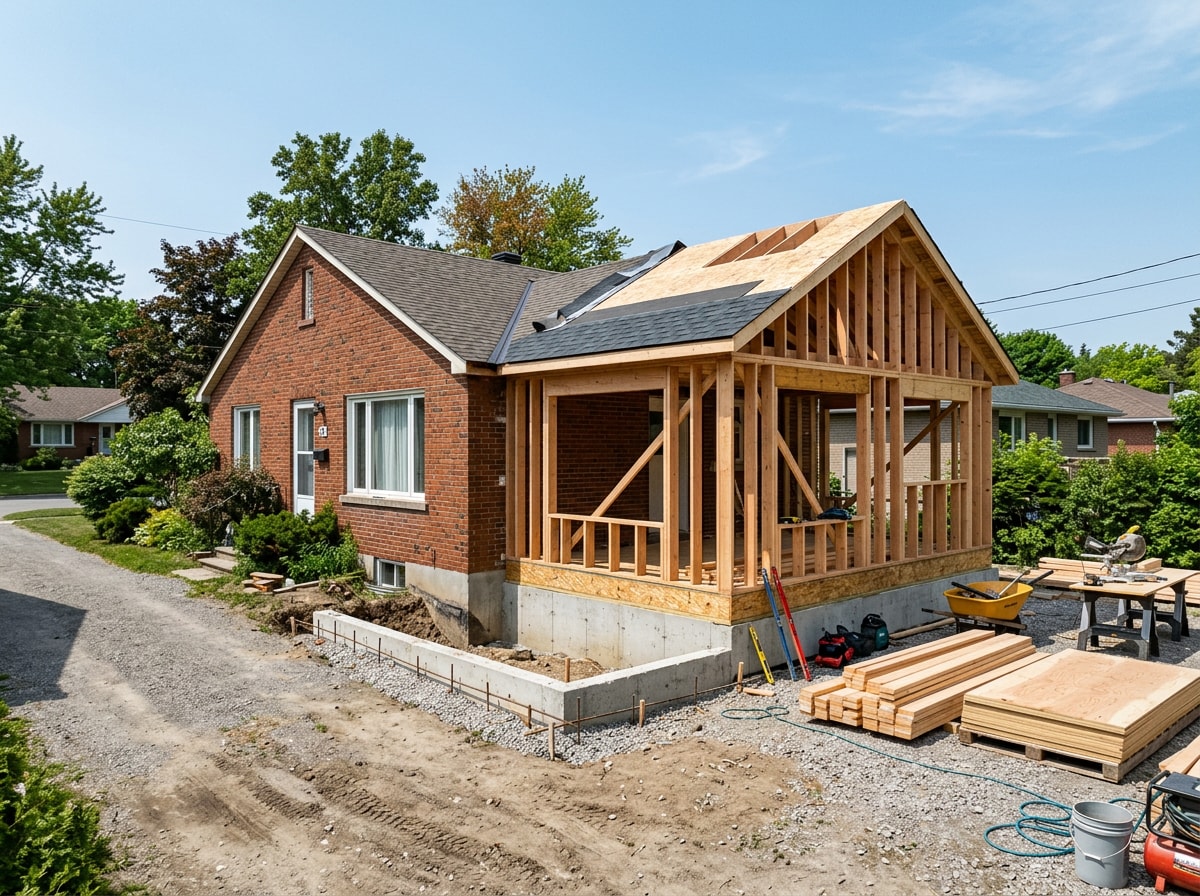
A true bump-out addition, where you're adding new framing, foundation, and roofline, runs noticeably higher. This is also where bids diverge the most between contractors, since "addition" pricing varies by whether the quote includes site work, permitting, and finish-level fixtures, or just shell construction. Always ask a contractor exactly what's bundled into their per-square-foot number before comparing proposals.
Local Flower Mound Pricing: Typical Project Cost Ranges
National averages are a useful starting point, but they don't account for Flower Mound's labor market or its housing stock, which skews toward established 1990s and 2000s suburban construction. Local bids for adding a bathroom in Flower Mound tend to track close to national new-addition figures, with some upward pressure from DFW-area labor rates.
Midrange Remodel: $22,000-$40,000
This range typically covers a straightforward bathroom addition using an existing footprint or a modest bump-out, with midrange fixtures, standard tile, and no major layout changes. It's the most common tier for homeowners converting a bedroom or oversized closet into a full bath.
A true addition, meaning new square footage rather than a remodel of existing space, tends to sit at or above the top of this range. Framing, foundation work, and roofing tie-ins add cost that a pure interior remodel doesn't carry.
High-End or Primary Bath Remodel: $40,000-$70,000+
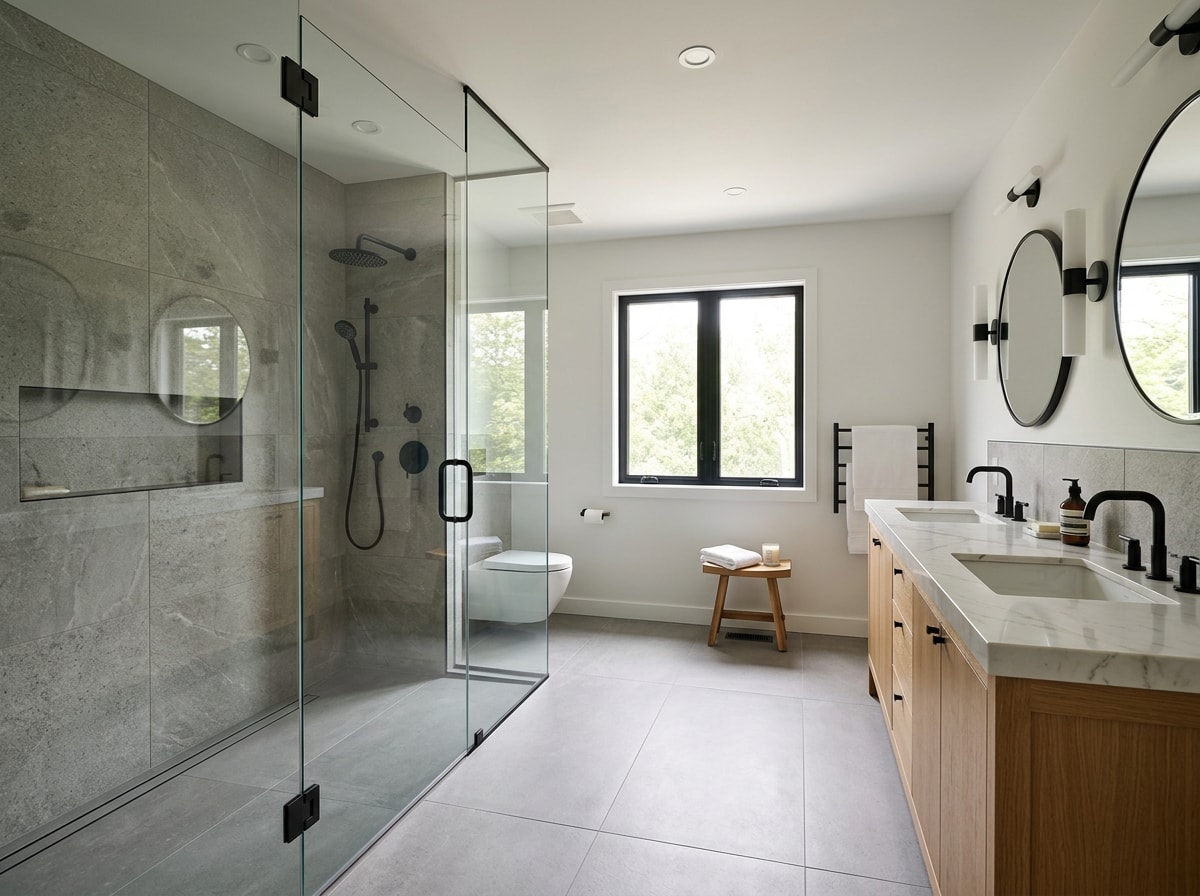
Projects move into this tier when the layout changes significantly, custom tile work is involved, or premium fixtures and a larger footprint are part of the plan. A primary bath addition with a walk-in shower, double vanity, and dedicated soaking tub commonly falls here, and a full new-addition primary suite can push past $70,000 depending on finish selections.
Having fabricated and installed vanity tops, tile, and shower surrounds for bathroom projects throughout Flower Mound and Denton County, we typically see final invoices land toward the higher end of these ranges once a homeowner adds a double vanity or a curbless shower, since both require extra framing and waterproofing labor that a basic single-vanity layout doesn't.
If you're ready to get specific numbers for your own floor plan, get a free estimate before you finalize a budget.
Cost by Bathroom Size and Type
Bathroom size and bathroom type overlap heavily, since a primary bathroom addition is both a "type" and typically the largest "size" category. Here's how they line up together.
| Type | Typical Size | Cost Range |
|---|---|---|
| Half bath / powder room | 15-20 sq ft | $5,000-$15,000 |
| Three-quarter bath | 35-40 sq ft | $15,000-$30,000 |
| Full bathroom | 40-50 sq ft | $25,000-$50,000 |
| Primary/master bathroom | 75-100+ sq ft | $40,000-$75,000+ |
Half bath cost stays lower mainly because there's no shower or tub to plumb, which cuts both material and labor significantly. Full bathroom cost climbs once you add a tub-shower combo, and primary bathroom additions carry the highest price tag due to larger square footage, double vanities, and often a separate shower and soaking tub.
Bathroom Addition Cost Factors
Beyond size and location, a handful of recurring variables swing the final number on almost every project.
- Distance from the existing drain stack. This is typically the single largest cost driver in any bathroom addition. The farther a new bathroom sits from existing plumbing, the more drain line, venting, and rough-in work is required to tie it in correctly.
- Wet wall placement. A wet wall is a wall built to house plumbing supply and drain lines, usually shared between two rooms, like a bathroom backed up against a kitchen or another bathroom. Placing a new bathroom against an existing wet wall saves significantly on rough-in plumbing.
- Fixture selection. Toilets, faucets, and showerheads carrying the EPA's WaterSense label use meaningfully less water than standard fixtures without sacrificing performance, which can trim long-term utility costs even if the upfront fixture price is similar.
- Code compliance. Plumbing work must meet current drain sizing, venting, and slope requirements under the International Plumbing Code, which a licensed plumber verifies during the rough-in inspection.
This matters more in older Flower Mound homes built on slab foundations in the 1990s, where plumbing runs are fixed in the slab and harder to reroute, versus newer construction where additional stub-outs are sometimes already in place.
Why Building in Flower Mound Is Different
Flower Mound's housing stock skews toward established suburban construction from the 1990s and 2000s, which changes how a bathroom addition gets planned compared to newer builds elsewhere in DFW. Many of these homes have original plumbing runs hidden behind drywall or under slab, meaning a contractor often needs to open walls just to confirm where lines actually run before pricing the project accurately.
Older plumbing isn't necessarily a problem, but it does add a verification step that newer construction skips. Certain Flower Mound neighborhoods also require HOA review for any project that changes the home's exterior footprint, which can add time to the timeline on top of standard local permits.
Flower Mound has locally adopted the 2024 International Residential Code, and residential permit applications go through the Town's Building Information and Permits process, submitted electronically through eTRAKiT. Plan review for a typical residential remodel or addition runs about five working days once the application is complete, though complex additions requiring engineer-stamped foundation or framing drawings can take longer.
Homeowners planning a project in this market can review our Flower Mound service area page or explore our full bathroom remodeling services to see what's involved before finalizing a budget.
Bathroom Addition: Example Budget Breakdown
Here's an illustrative line-item budget for a 60-square-foot full bathroom addition, built around DFW-area labor and material costs rather than a generic national figure. Treat this as a planning template, not a quote, since every lot and floor plan prices out differently.
- Design and permits: $1,800
- Demolition and site prep: $1,200
- Foundation extension: $4,500
- Framing: $3,800
- Windows and doors: $1,400
- Siding tie-in: $1,600
- Drywall and paint: $2,200
- Tile (floor and shower surround): $3,500
- Trim and finish carpentry: $1,100
- Bath fixtures (vanity, toilet, shower): $4,200
- Plumbing rough-in and connection: $5,800
- Electrical: $2,400
- HVAC extension: $1,900
That totals roughly $35,400, which sits comfortably within the midrange-to-high-end bracket discussed earlier. Real project costs shift based on tile selections, fixture brand, and how far the addition sits from existing plumbing, but this line-item structure gives a realistic starting point for budgeting a similar project. A matching natural-stone or quartz vanity top, sourced through bathroom countertop installation, is one of the easier places to move that fixture-budget line up or down depending on material choice.
Is It Worth It to Add a Bathroom? (Home Value & ROI)
A new bathroom tends to add resale value, though the exact return varies by scope and local market. Bathroom additions that keep an existing footprint and reuse nearby plumbing return notably more than additions that require moving walls or extending the foundation, since the added resale value doesn't scale the same way the added square footage does. For broader context on how remodeling projects compare on resale value, the NAHB's remodeling consumer resources page links to the annual Cost vs. Value data used across the industry.
The number of existing bathrooms matters as much as the addition itself. Going from one bathroom to two typically adds more home value than going from four bathrooms to five, since buyers weight that first additional full bath far more heavily than marginal extras. A home with only one bathroom competing against four-bedroom homes with two or more baths is often at a real disadvantage on the resale market.
If you're weighing whether a bathroom addition pencils out for your specific home, our team can help translate these general numbers into something specific to your floor plan and neighborhood. Get a free estimate and we'll walk the space with you before you commit to a budget.
If you're also considering reworking an existing bath instead of adding one, our guide on tub-to-shower conversion ideas covers a lower-cost way to modernize a bathroom you already have. You can see more of our project scope on the homepage.
FAQ
How much does it cost to add a bathroom in Flower Mound, TX?
Most Flower Mound bathroom additions run $22,000 to $40,000 for a midrange project and $40,000 to $70,000 or more for a high-end primary bath, depending on whether you're converting existing space or building new square footage.
Can you add a bathroom to a house?
Yes, in nearly any home, as long as there's a feasible path for plumbing drainage, venting, and supply lines. Some locations are simpler than others, but structural and plumbing feasibility can almost always be solved with the right design, even if it adds cost.
Does adding a bathroom add value?
Generally, yes, though additions return less of their cost at resale than a remodel of an existing bathroom. Value tends to be strongest when a home goes from one bathroom to two, since that jump addresses a common buyer pain point.
Do you need a permit to add a bathroom in Flower Mound?
Almost always, yes. New plumbing, electrical, and structural work triggers permit requirements under the Town's building code. Flower Mound routes residential permits through its Building Information and Permits office, and homeowners can confirm specific requirements before starting design work.
Is it cheaper to add a half bath or a full bath?
A half bath is almost always cheaper, since there's no shower or tub to plumb. Expect $5,000 to $15,000 for a half bath versus $25,000 and up for a full bathroom addition with a shower or tub.
How long does it take to add a bathroom?
A conversion of existing space often takes two to four weeks once permits are issued. A true addition with new foundation and framing typically takes six to ten weeks, plus the Town's plan review period before construction can start.
---
About this guide: This cost breakdown was prepared by the team at Solid Stone in Granite, a Dallas-Fort Worth design-build company that fabricates and installs countertops, vanities, and tile for kitchen and bathroom projects across Flower Mound, Southlake, Frisco, and the greater DFW area. Contact us for a project-specific estimate.